The Importance of Mental Health Awareness
Sarah Thompson | MAY 1, 2025
The Importance of Mental Health Awareness
Sarah Thompson | MAY 1, 2025
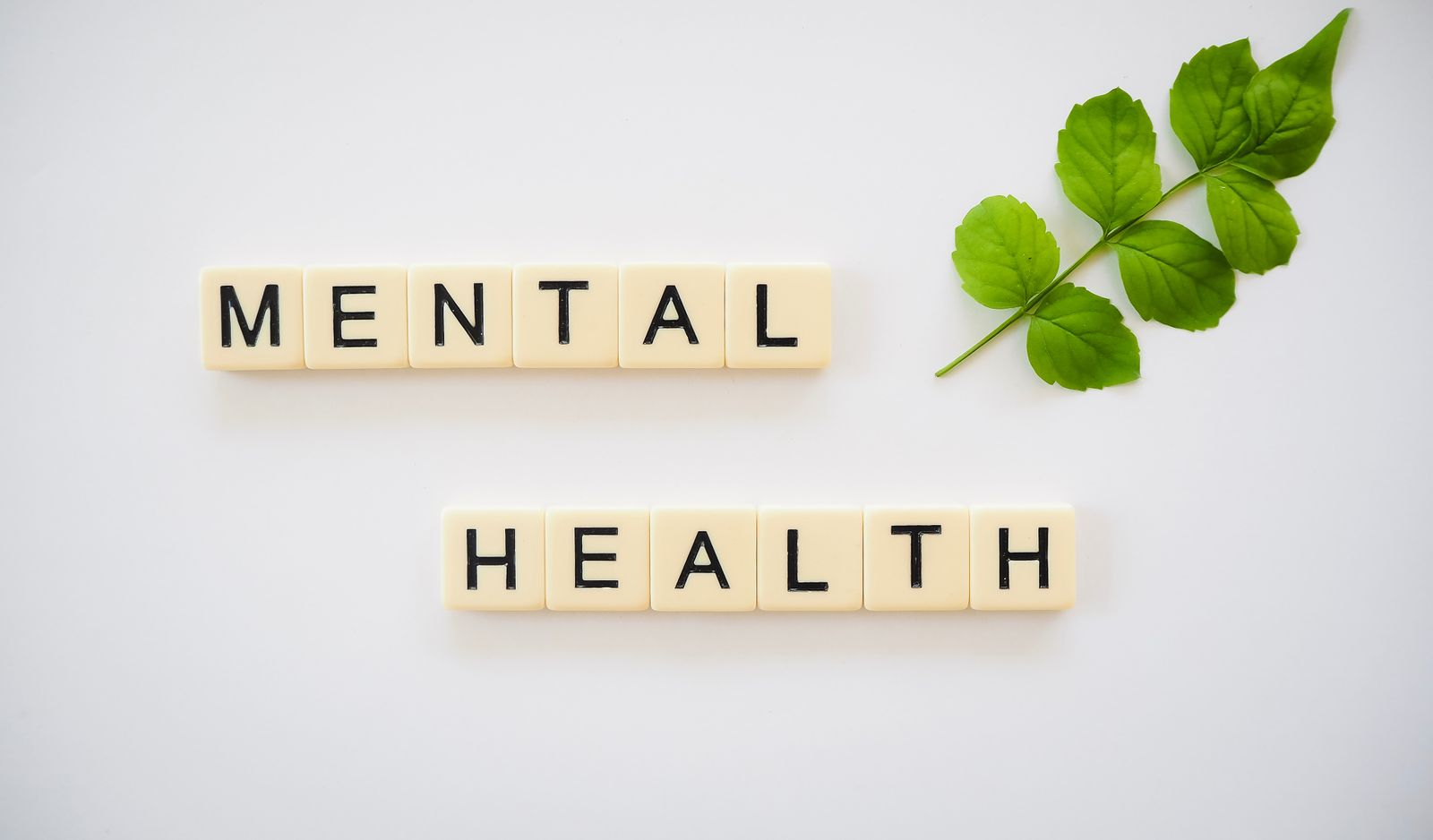
In today's fast-paced world, mental health often takes a backseat to other priorities. Yet, it is as critical to our overall well-being as physical health. Mental health awareness is more than just recognizing the importance of emotional and psychological well-being; it’s about creating an environment where people feel safe to talk, seek help, and support each other.
For decades, mental health issues have been surrounded by stigma. People struggling with depression, anxiety, or other conditions have often been misunderstood or judged. This stigma prevents many from seeking help, leaving them isolated. By promoting awareness, we can normalize discussions about mental health, making it clear that seeking help is not a sign of weakness but a brave step toward healing.
Mental health awareness encourages people to recognize early signs of issues, both in themselves and others. Conditions like anxiety, depression, or burnout often start subtly, but early intervention can prevent them from escalating into more serious problems. Awareness campaigns provide the tools and knowledge needed to identify and address these signs before they become overwhelming.
Awareness fosters empathy. When communities understand the challenges of mental health issues, they become more supportive and inclusive. Whether it’s a workplace implementing mental health days or schools teaching mindfulness, these changes can significantly impact individuals' lives.
Many people are unaware of the mental health resources available to them. Awareness campaigns highlight the availability of counseling services, hotlines, and therapy options. When people know where to turn, they’re more likely to seek help.
Mental health awareness empowers people to talk about their struggles without fear of judgment. Open conversations help individuals feel less alone and create a culture where mental health is treated with the same care and respect as physical health.
Mental health awareness is not just a societal responsibility; it’s a collective effort to create a world where everyone can thrive. By breaking the stigma, fostering support, and encouraging open conversations, we can ensure that mental health becomes a priority for all. Together, we can build a more compassionate and understanding world.
Remember, it’s okay to not be okay—and help is always available.
Sarah Thompson | MAY 1, 2025
Share this blog post
 OfferingTree